
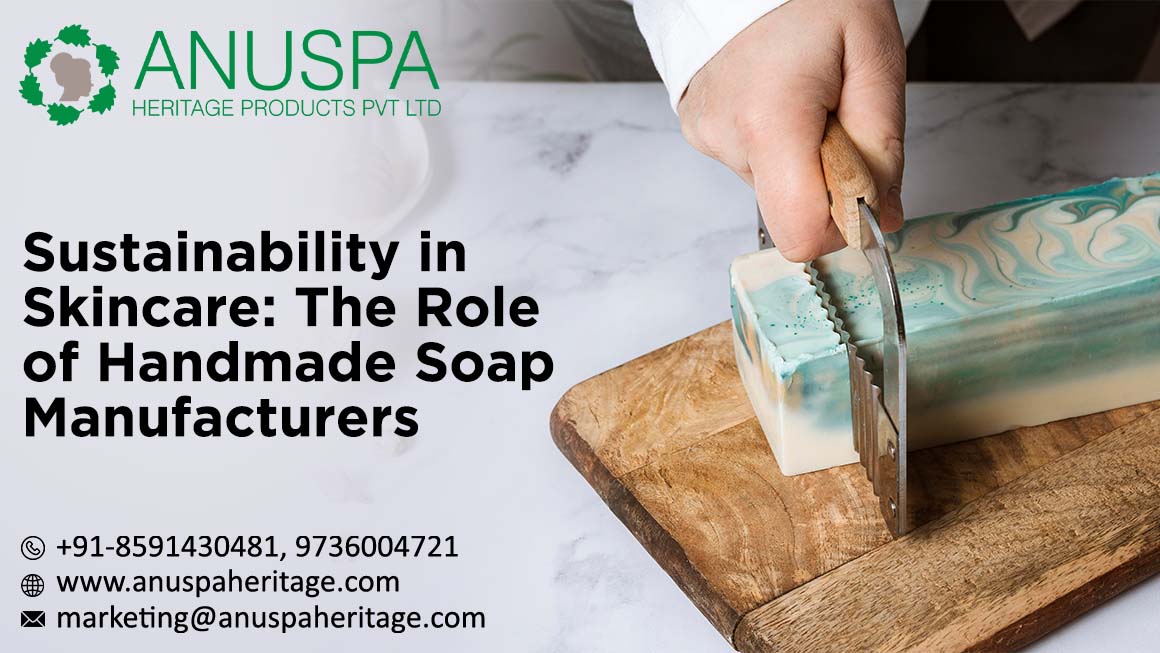
Sustainability in Skincare: The Role of Handmade Soap Manufacturers
Consumers are showing more and more awareness of the ingredients in their skincare. Now, nearly every consumer is looking for more natural and sustainable products. In this blog, we highlight the boom of handmade soap manufacturers in India, focus on sustainability and also examine how they are shifting the dynamics of the skincare industry through their careful and ethical use of ingredients.
The Rising Popularity of Handmade Soaps
Handmade soaps are made from natural ingredients, such as essential oils, butters from plants, herbs and clays and they are frequently made through either the traditional cold or hot process. Handmade soaps are different from commercial soaps, as they do not include harmful chemicals, artificial fragrance, parabens or sulphates and therefore are gentler on the skin and safer for longer term use.
Recognition of handmade soaps and products has often become more than just about caring for the skin. Rather, it is one part of a larger movement of wellness, sustainability and ethical consumerism. Increasingly, people are choosing products that reflect their values: cruelty free and eco friendly products in plastic free packaging.
A booming movement has cultivated an enthusiastic community of handmade soap manufacturers in India. Many of these producers are small artisans or local entrepreneurs who are making profitable decisions while embracing greater vision of encouraging a greener lifestyle.
Sustainable Skincare: India’s Handmade Soap Movement
Through a mix of tradition and eco-innovation, handmade soap manufacturers in India have taken the lead in moving skincare into a cleaner, greener model. Here are some of the ways they are making the strides in sustainability:
1. Nature-Based Ingredients
The ingredients included in Indian handmade soaps, such as neem, tulsi and sandalwood, are local, organic and minimally processed ingredients that provide natural solutions to various skin issue, thereby avoiding relying on a synthetic, chemical-based solution.
2. Eco-Friendly Packaging
Rather than typical plastic wrapping, these soaps use biodegradable boxes and jute bags. Each soap is packaged as thoughtfully as the soap inside.
3. Transparency and Personalization
Labeling with transparency, the soap options likewise have local ingredients and skin type formulations appropriate to the local area, with transparency and natural care, while taking a unique approach to skin care.
4. Cleaner Waterways
Contrary to industrial soaps, handmade soaps use no synthetic additives and do not contain paraben preservatives, thus, are more biodegradable and environmentally friendly, resulting in less chemical load to all of our local waterways.
5. Reduced Carbon Footprint
The small-batch production process and minimal machinery utilization, along with solar-powered stores and small facilities, allow manufacturers to engage in the more sustainable process of producing soaps and having significantly lower emissions.
6. Support for a Zero Waste Culture
Handmade soap brands often have options such as bulk purchase and refillable packaging; they support reuse, which can help disrupt culture of single use plastics throughout our everyday lives.
Conclusion
With the sustainability representing quality in modernity, handmade soap manufacturers in India are taking the lead, especially Anuspa Heritage Pvt. Ltd. Founded in 1995, they are a private label and contract manufacturer for over 1000 types of 5.5pH soaps which are manufactured in their advanced manufacturing facility near Chandigarh. Their focus is on natural ingredients, ethically produced soap and ontime delivery as they seek to redefine skincare with quality, ethics and a difference in the world.
Recent Comments